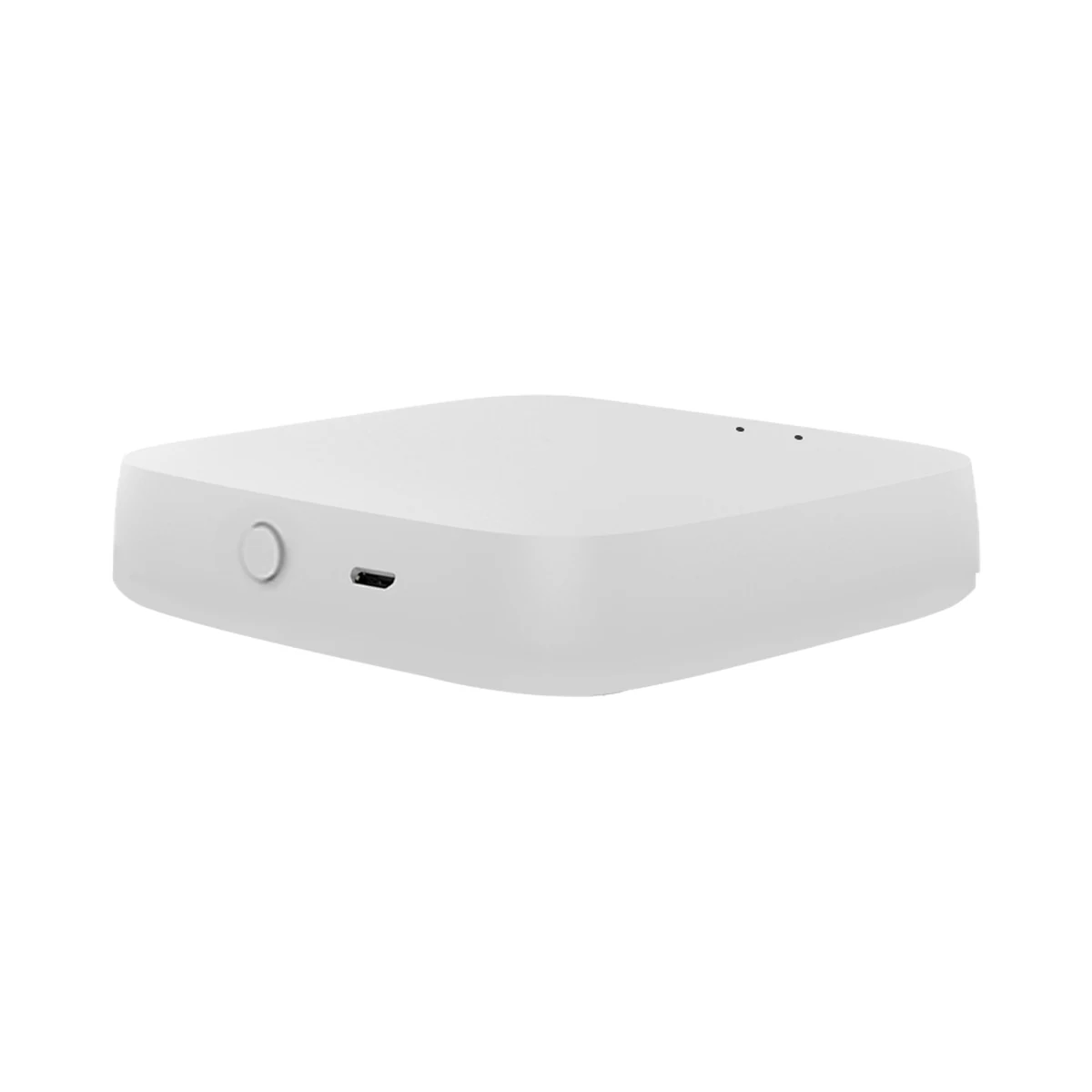
Smart hubs & gateways
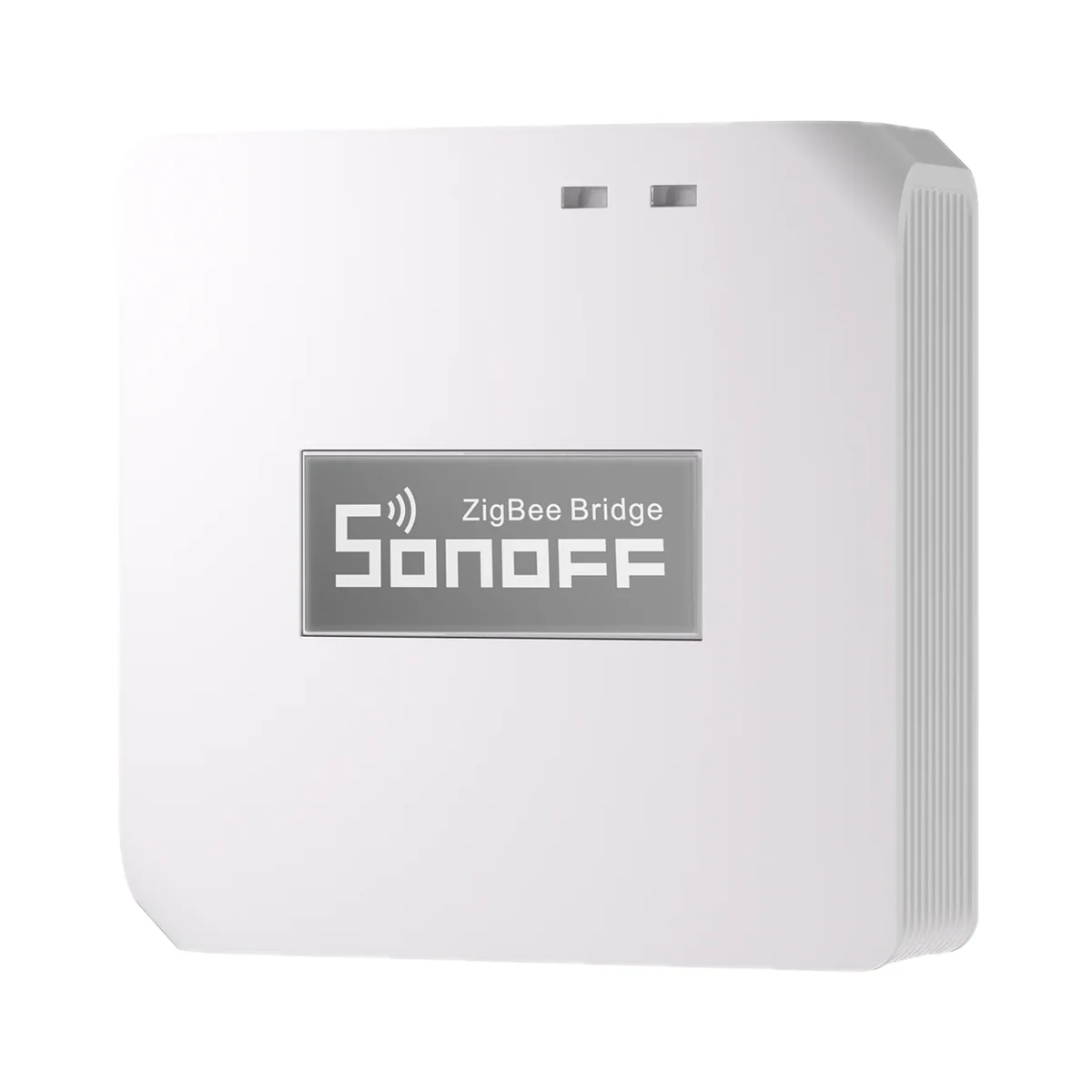
Moes ZHUB-W-MS Tuya Zigbee 3.0 Wi-Fi gateway, up to 50 devices
- Connection to the router
- Wi-Fi
- Matter role
- Not supported
- Max connected devices
- 50
499 MDL
In stock
Moes · ZSS-QY-HP-MS
Via a Zigbee coordinator / hub
Check hub compatibility.
Manufacturer images
The Zigbee version needs a Tuya Zigbee gateway; only the Wi-Fi version WSS-QY-HP-MS works without a hub.
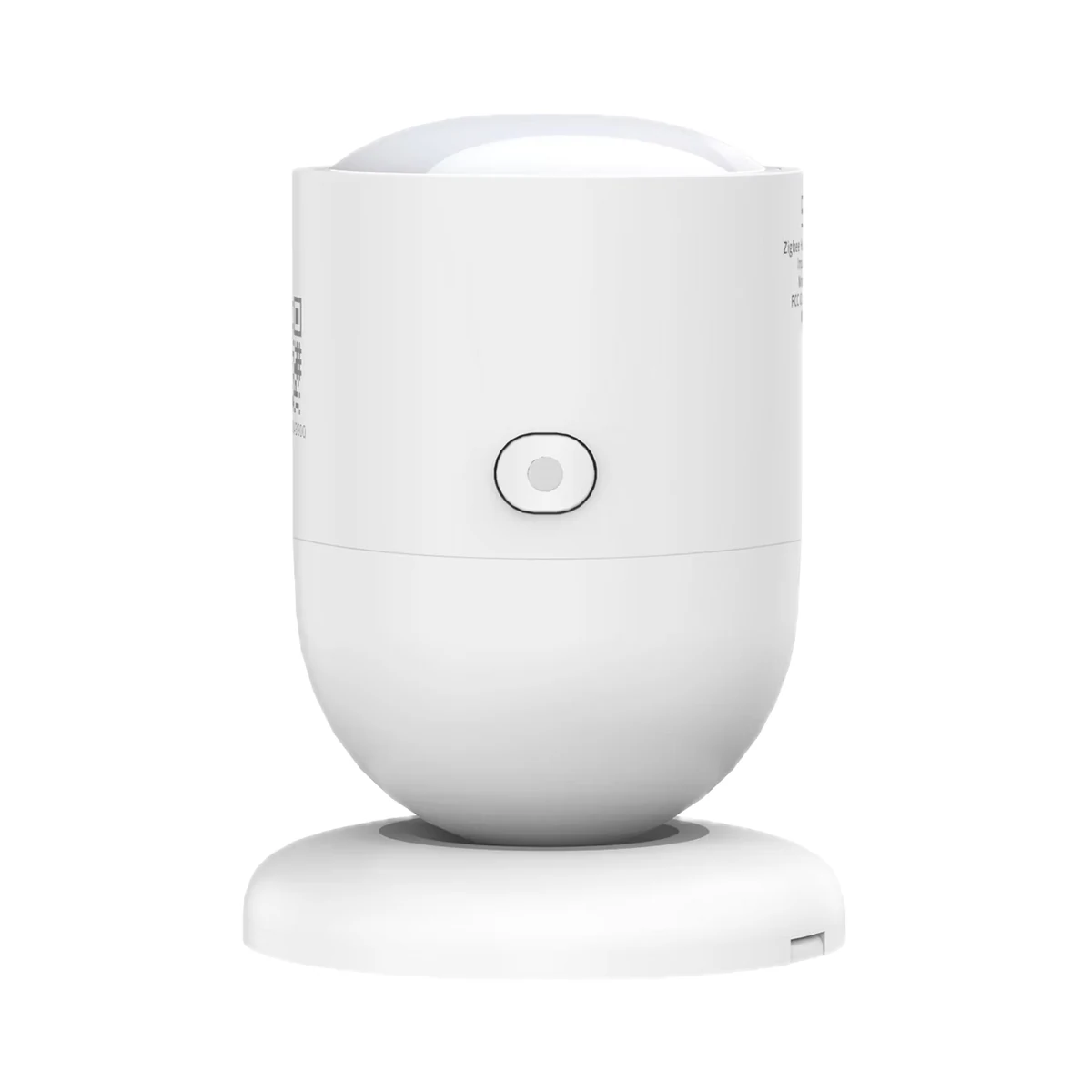
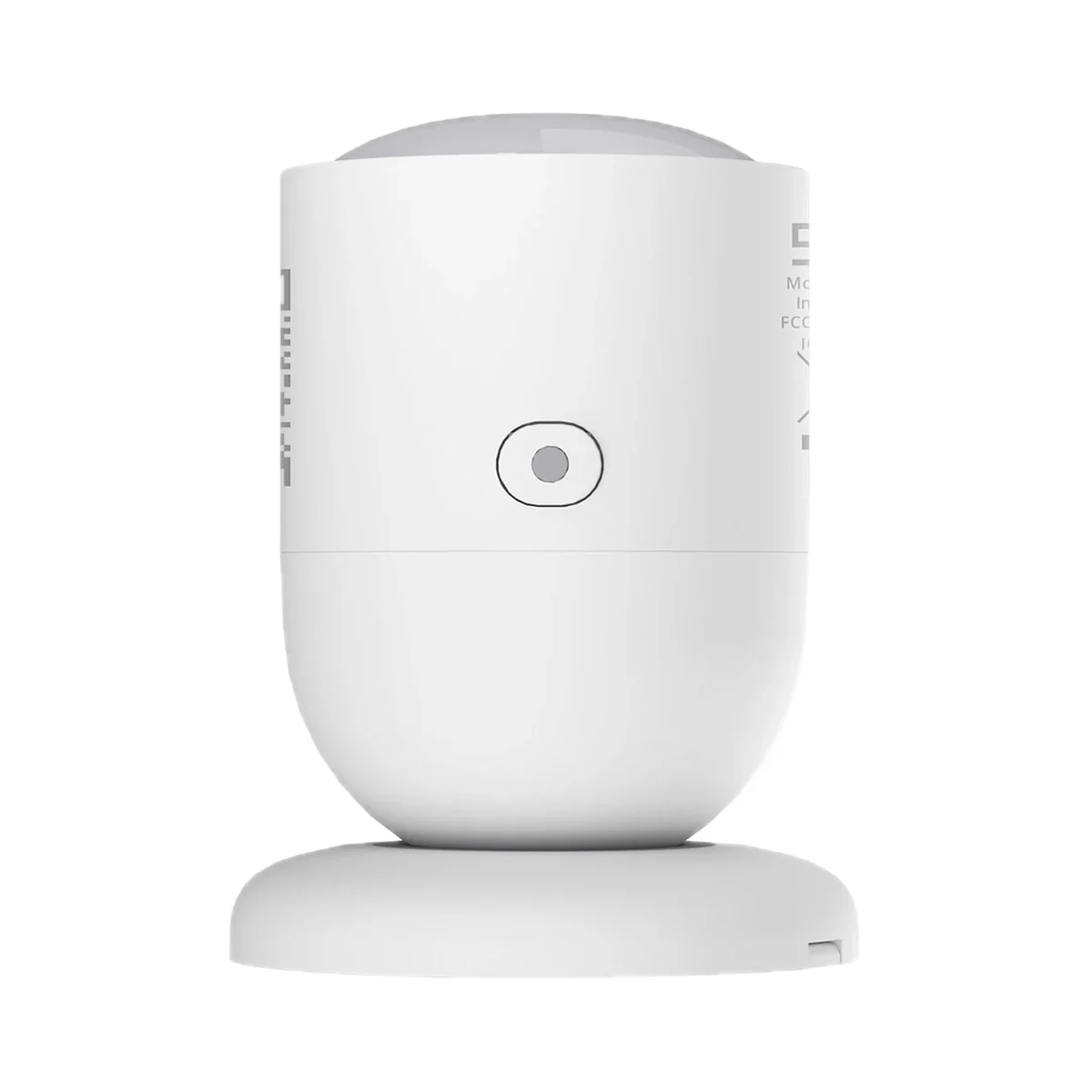
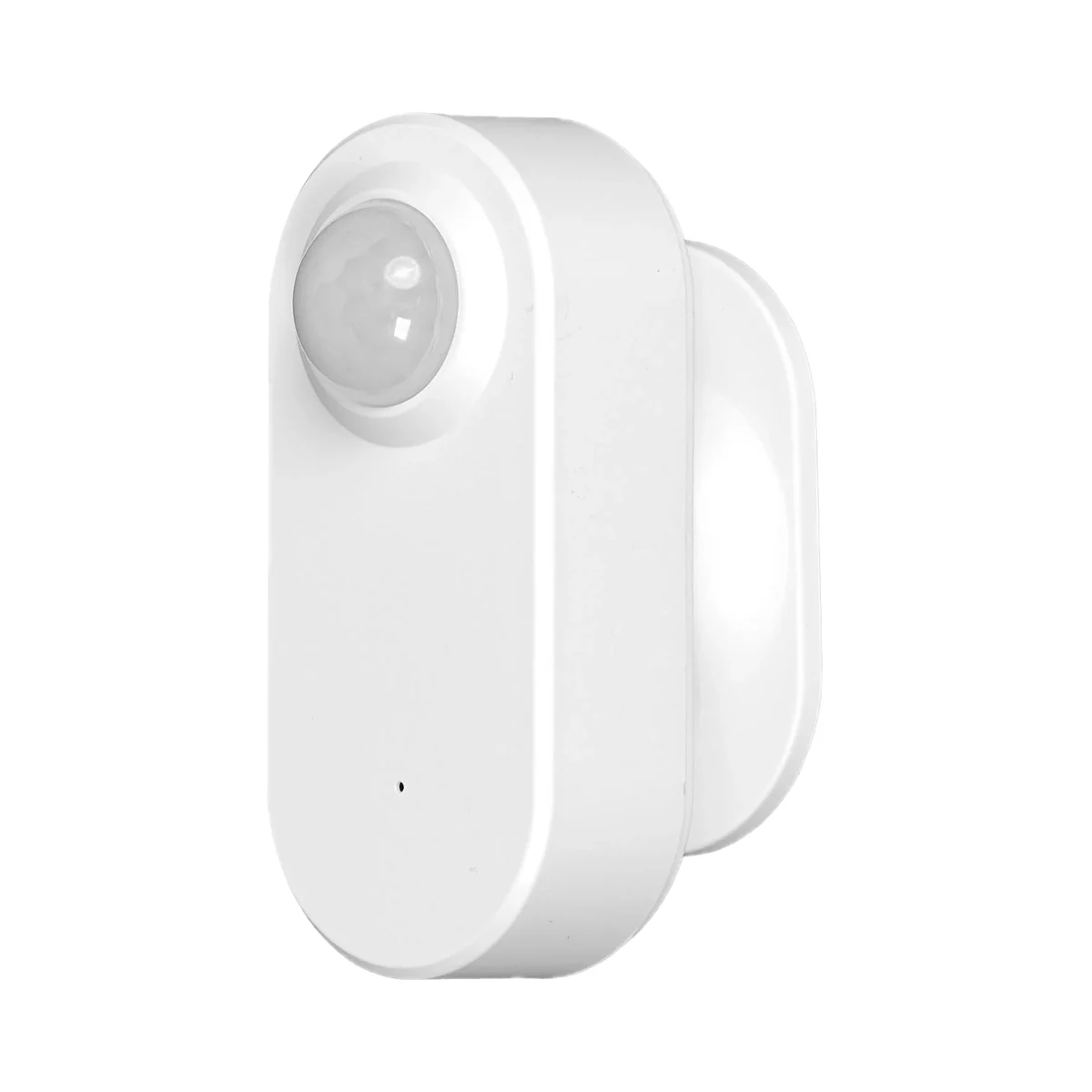
Suitable gateways and hubsSit still with a book and the light stays on: the 5.8 GHz microwave radar catches the micro-movement a classic PIR misses. Recessed into the ceiling and mains-powered at 220 V, it needs a Tuya Zigbee gateway.
27 specifications from manufacturer documentsWe deliver across Moldova. Availability, delivery timing and cost are confirmed with a manager before order fulfilment.
The right choice starts with specifications
SKU: ZSS-QY-HP-MS
Specifications checked against the linked manufacturer documents.Checked 18 October 2026
Detection technology — what it meansRadar picks up even tiny movements such as breathing or typing, so it can detect a person sitting or lying still. A PIR infrared sensor reacts to a warm body moving and uses less power; hybrid models use both. | Radar (microwave / mmWave)The manual's technical parameters list only a 5.8 GHz microwave radar; a PIR sensor is not mentioned in the documentation, although "PIR" appears in the product name on the Moes website [1] |
|---|---|
Radar frequency — what it meansThe radar's operating frequency: home sensors typically use 5.8, 24 or 60 GHz. 24 and 60 GHz radars resolve small movements and a person's position more finely, while 5.8 GHz waves pass more easily through thin partitions, so such a sensor may react to movement behind a wall. | 5.8 GHz"Microwave operating frequency 5.8GHz", radar transmit power 3–5 dBm [1] |
Stationary presence range — what it meansHow far away the sensor keeps detecting a person who is barely moving: working at a desk, reading or sleeping. It is usually shorter than the motion detection range; installation conditions are in the note. | 3 mThe manufacturer gives the presence detection area as a circle 2–6 m in diameter with ceiling mounting at 2–4 m; the value is half the largest diameter (distance from the point below the sensor). No separate stationary range is stated [1] |
Motion detection range — what it meansThe longest distance at which the sensor notices a walking person, as stated by the manufacturer. Real range depends on mounting height and direction: someone crossing the zone is noticed further away than someone walking straight at the sensor. | 6 mThe motion and micro-motion detection area is a circle 8–12 m in diameter with ceiling mounting at 2–4 m; the value is half the largest diameter. The distance setting in the app is 0–9 m (default 7 m) [1] |
Detection angle — what it meansThe width of the detection zone in degrees: horizontal for wall models or the cone angle for ceiling models; the vertical angle, if published, is in the note. The wider the angle, the more of the room the sensor covers from one spot. | Not stated by the manufacturer |
Configurable zones — what it meansHow many separate areas of the room can be set in the app to report presence for each one — for example, the sofa and the desk. Without zones the sensor reports presence for its whole field of view. | Not stated by the manufacturer |
Light sensor — what it meansSome door sensors also detect the light level. This lets you, for example, switch the light on when the door opens only after dark. | Measures in lux [1] |
Illuminance range — what it meansThe range over which the sensor measures light. For reference: a room at night is a few lux, ordinary home lighting is about 100–300 lx, and next to a window on a sunny day it is thousands of lux. | 0–2000 lxThe manual's parameter table and the page specs say 0–2000 lx [1] |
Absence delay — what it meansHow long the sensor waits after signs of presence disappear before reporting the room as empty. The adjustable range is shown: a short delay turns lights off sooner, a long one is less likely to turn them off while someone is still there. | 20–1500 s [1] |
| Radar transmit power | 3–5 dBm [1] |
| Sensitivity | 0–9 (default 7) [1] |
Connectivity — what it meansThe wireless link or network the device uses. Wi-Fi connects straight to the router; Zigbee, Thread and Bluetooth Mesh work through a hub or gateway. | ZigbeeZigbee 3.0 [1] |
|---|---|
Hub required — what it meansWhether the device needs a separate hub, gateway or coordinator to work in a smart home. If so, it is sold separately unless stated otherwise. | Hub requiredThe Zigbee version needs a Tuya Zigbee gateway; only the Wi-Fi version WSS-QY-HP-MS works without a hub [2] |
Home Assistant — what it meansHow the device connects to Home Assistant: a built-in integration, a Zigbee coordinator, Matter or the maker’s cloud integration. | Via a Zigbee coordinator / hubThe manufacturer does not mention Home Assistant; the Zigbee-coordinator route follows from the Zigbee 3.0 protocol. For Tuya devices, ZHA or Zigbee2MQTT operation depends on support for the specific model [1] |
Works without internet — what it meansWhether the device keeps working over the local network or through a hub when the internet is down. Cloud features (remote access, voice assistants) need the internet. | Not stated by the manufacturer |
App — what it meansThe maker’s app used to set up and control the device. | MOES App; Tuya Smart / Smart LifeThe manual recommends the MOES app; Tuya Smart / Smart Life also work [1] |
| Radio frequencies and transmit power | 2.400–2.483 GHz [1] |
Transmit power — what it meansThe coordinator's maximum radio output. Higher power gives a steadier link to distant devices, but range in a home depends more on walls and the number of routers in the network. | 10 dBm [1] |
| Radio module | ZT3L [1] |
Power source — what it meansWhere the device gets its power: 230 V mains, an adapter, USB, batteries or a built-in battery. | Mains 220 VPowered from AC 100–250 V wired to the sensor's terminals. An older description and earlier manual referred to a DC 12 V version [1] |
|---|---|
Supply voltage — what it meansThe supply voltage (and current, if stated) as the maker gives it. It must match your mains or adapter. | AC 100–250 V [1] |
| Working current | 70 mAStated as "≤70 mA" [1] |
Mounting — what it meansHow and where it is installed: in a wall box, on a wall or ceiling, on a DIN rail, on a table or in a socket. | CeilingRecessed ceiling mounting: Ø80 mm cut-out, held by spring clips [1] |
|---|---|
Recommended mounting height — what it meansThe height at which the manufacturer advises placing the sensor so the stated range and angle hold. For ceiling models this is effectively the supported ceiling height. | 2–4 m [1] |
Dimensions — what it meansThe device’s size in millimetres as the maker states it. Check that it fits the wall box, niche or shelf. | Ø93 × 30 mm [1] |
| Cut-out size | 80 mmCeiling hole diameter; the rear rectangular part is 65 × 70 mm [1] |
Certifications — what it meansStandards and certifications the maker lists for this model (for example CE, RoHS, Zigbee 3.0, Matter). | CE (RED, LVD, EMC, RoHS) [1] |
Operating temperature — what it meansThe air temperature range the device is rated for. The lower limit matters outdoors, on balconies and in unheated rooms. | −20…70 °C [1] |
|---|
Package contents — what it meansWhat comes in the box, per the maker. | Presence sensor × 1, user manual × 1 [1] |
|---|---|
Manufacturer warranty — what it meansThe warranty period the maker states. Confirm warranty terms in Moldova with the seller. | 24 monthsTwo-year after-sales service per the manual and the Moes page [1] |
The table shows the primary document’s value. Below is what other manufacturer documents state; we check the supplied version’s label before sale.
We deliver across Moldova. Availability, delivery timing and cost are confirmed with a manager before order fulfilment.
A website order is submitted for confirmation without charging your card. The payment method and final amount are agreed with a manager before payment.
The warranty is at least 12 months. The exact period and conditions for equipment and installation work are stated in the sales documents and the accepted proposal. Further support is agreed for each project.
Current conditions are published on the Return policy page. Email office@casasmart.md with your order number for the steps relevant to your situation. Statutory consumer rights continue to apply.
In your home
A sensor reports measurements or events. What happens next depends on configuration and separate control devices.
See the complete solution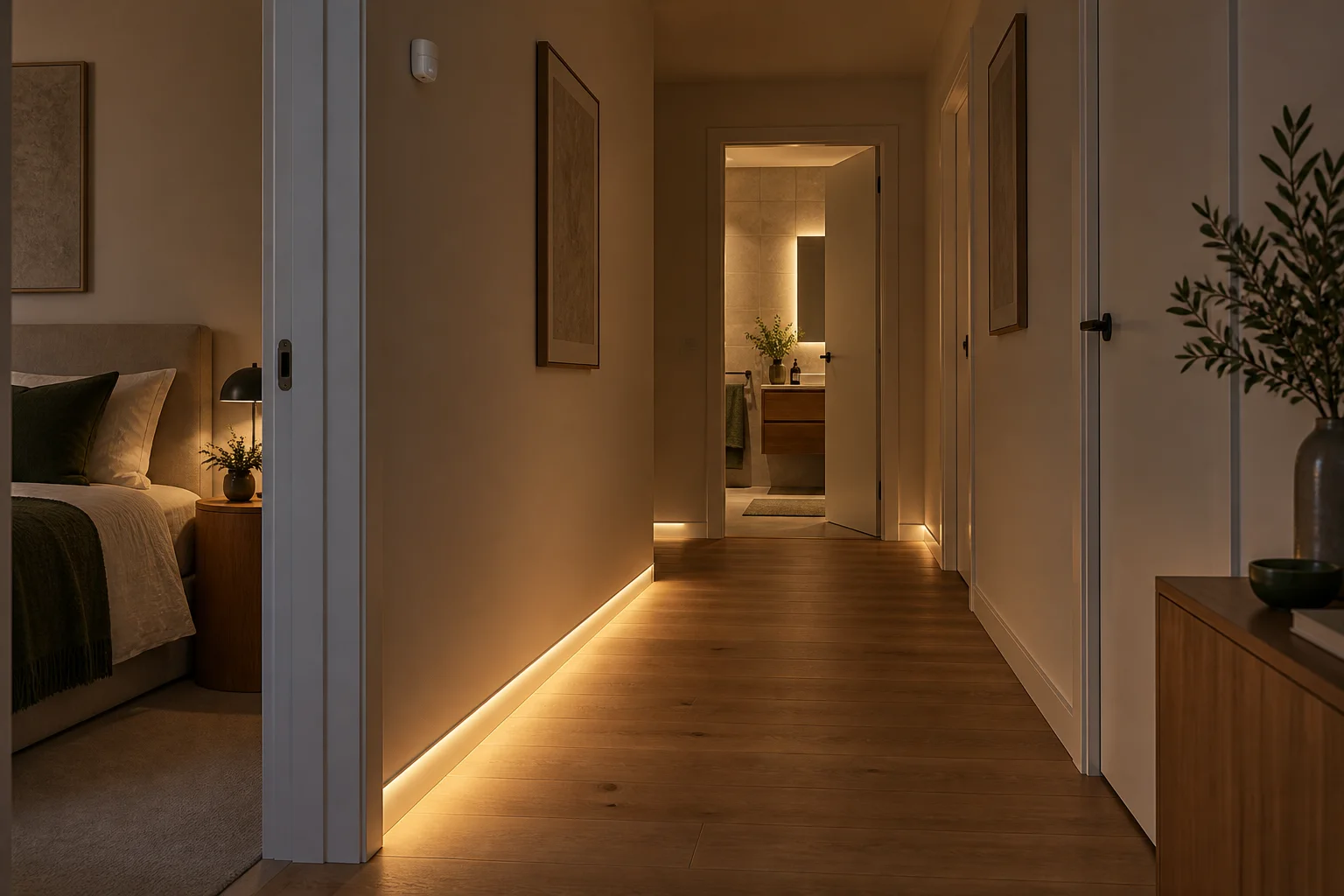
CasaSmart
The Zigbee version needs a Tuya Zigbee gateway; only the Wi-Fi version WSS-QY-HP-MS works without a hub.
Smart hubs & gateways
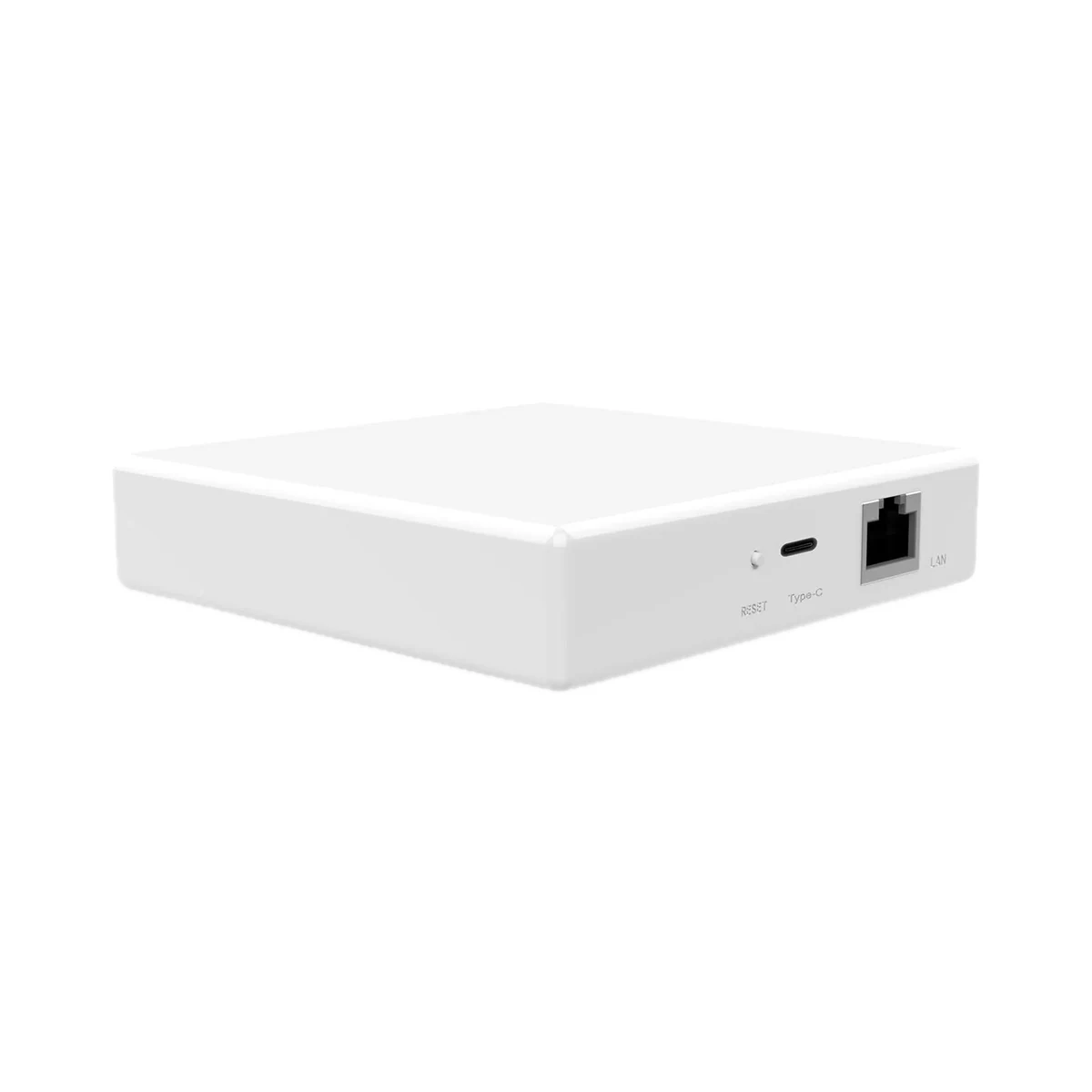
Smart hubs & gateways
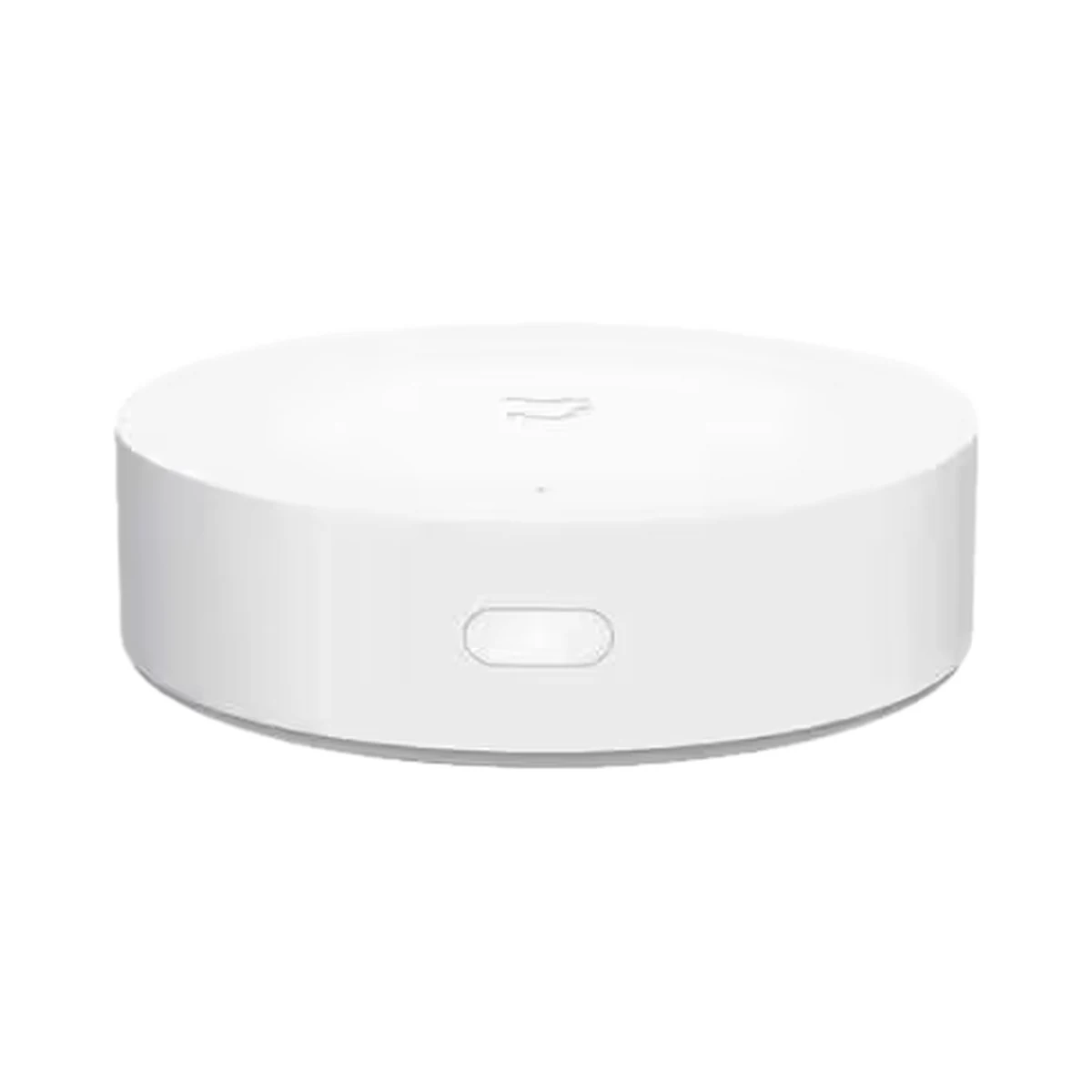
Smart hubs & gateways
Model: YTC4044GL
Smart hubs & gateways
Presence sensors
Presence sensors
Presence sensors
Presence sensors
Buy just a device, add installation, or hand the whole project over to us.