Smart hubs & gateways
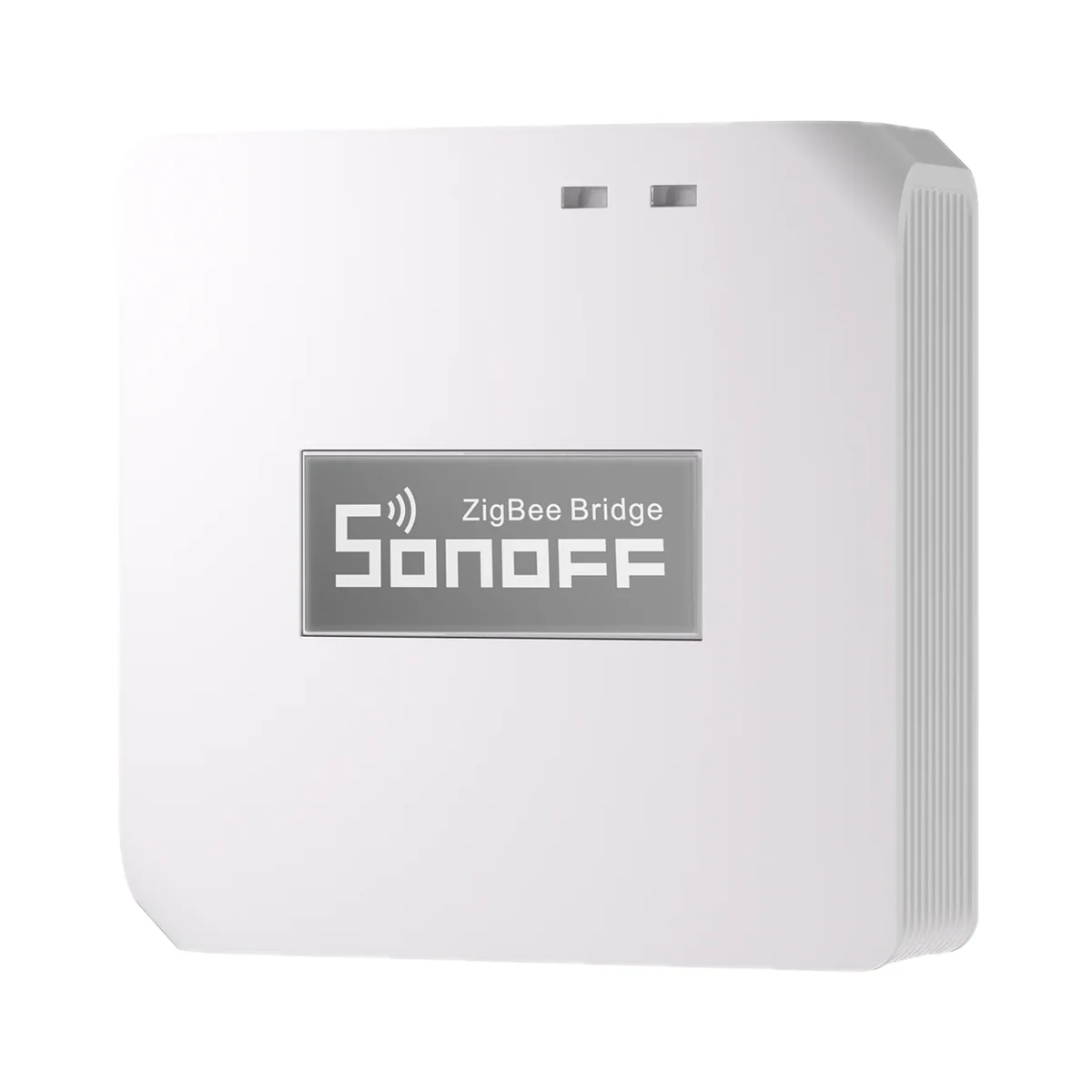
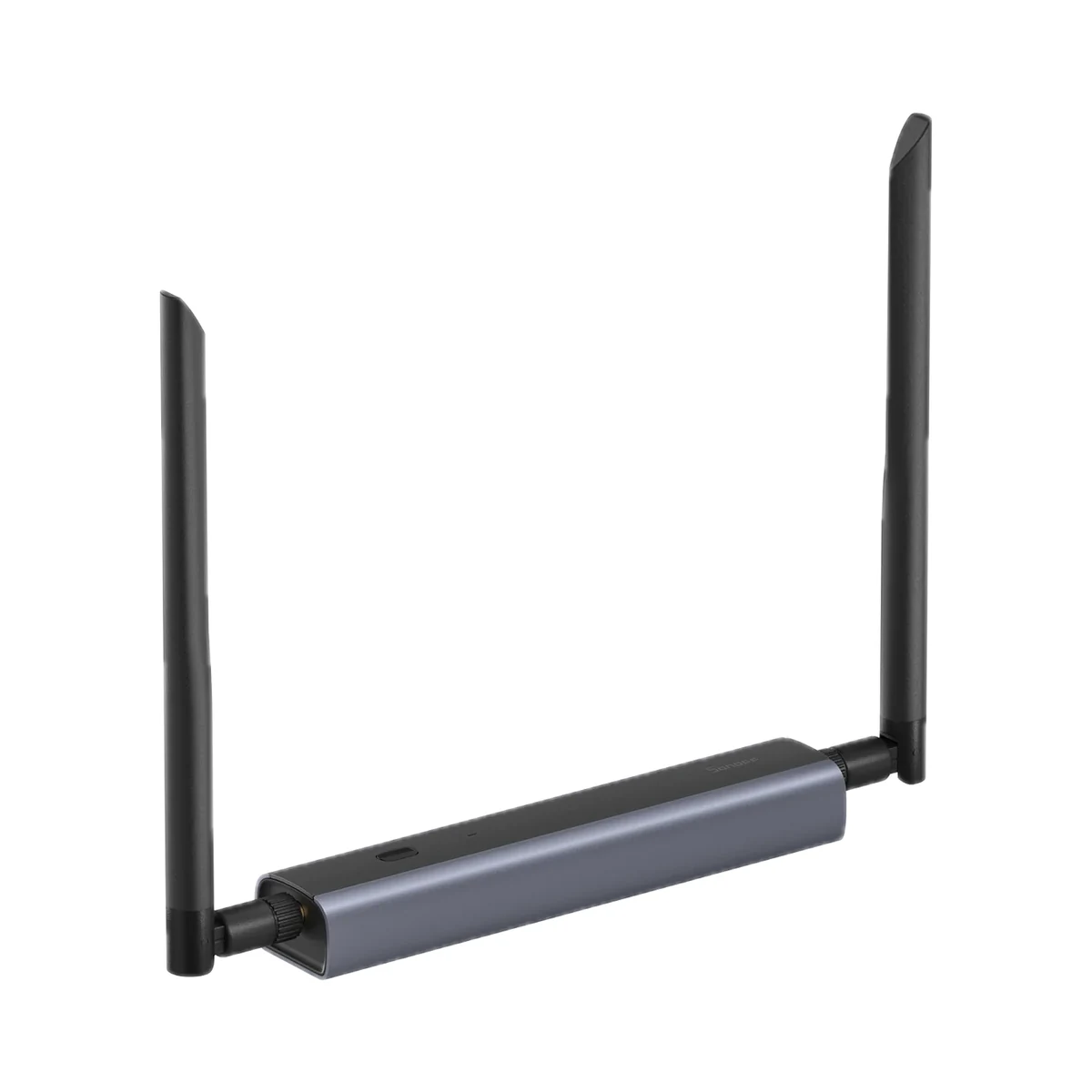
Sonoff Zigbee Bridge Pro (ZBBridge-P) Zigbee 3.0 hub for eWeLink
- Connection to the router
- Wi-Fi
- Matter role
- Not supported
- Max connected devices
- 128
599 MDL
In stock
Sonoff · MINI-ZBD
Via a Zigbee coordinator or hub · Zigbee 2405–2480 MHz
Check hub compatibility.
Manufacturer images
A compatible hub is required.
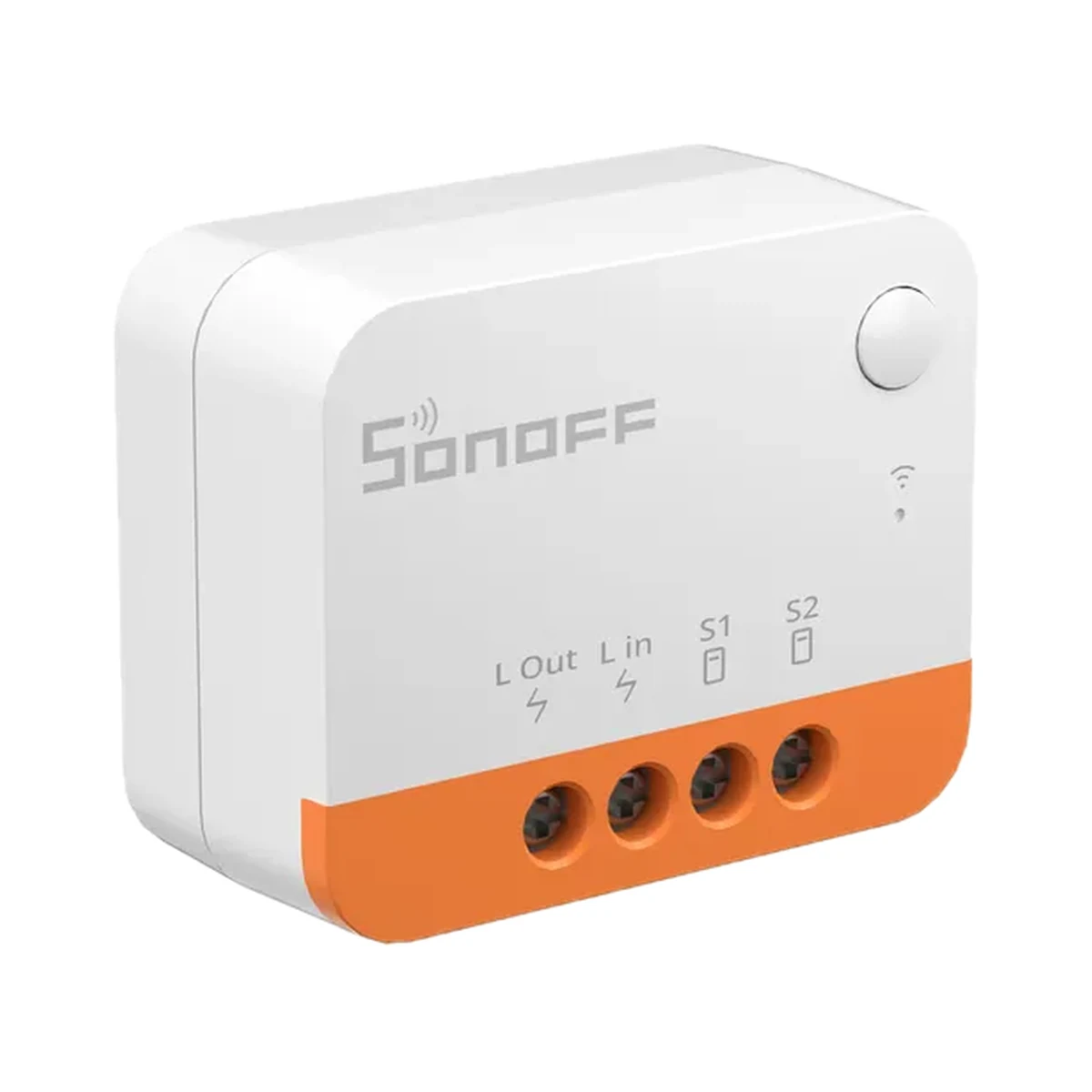
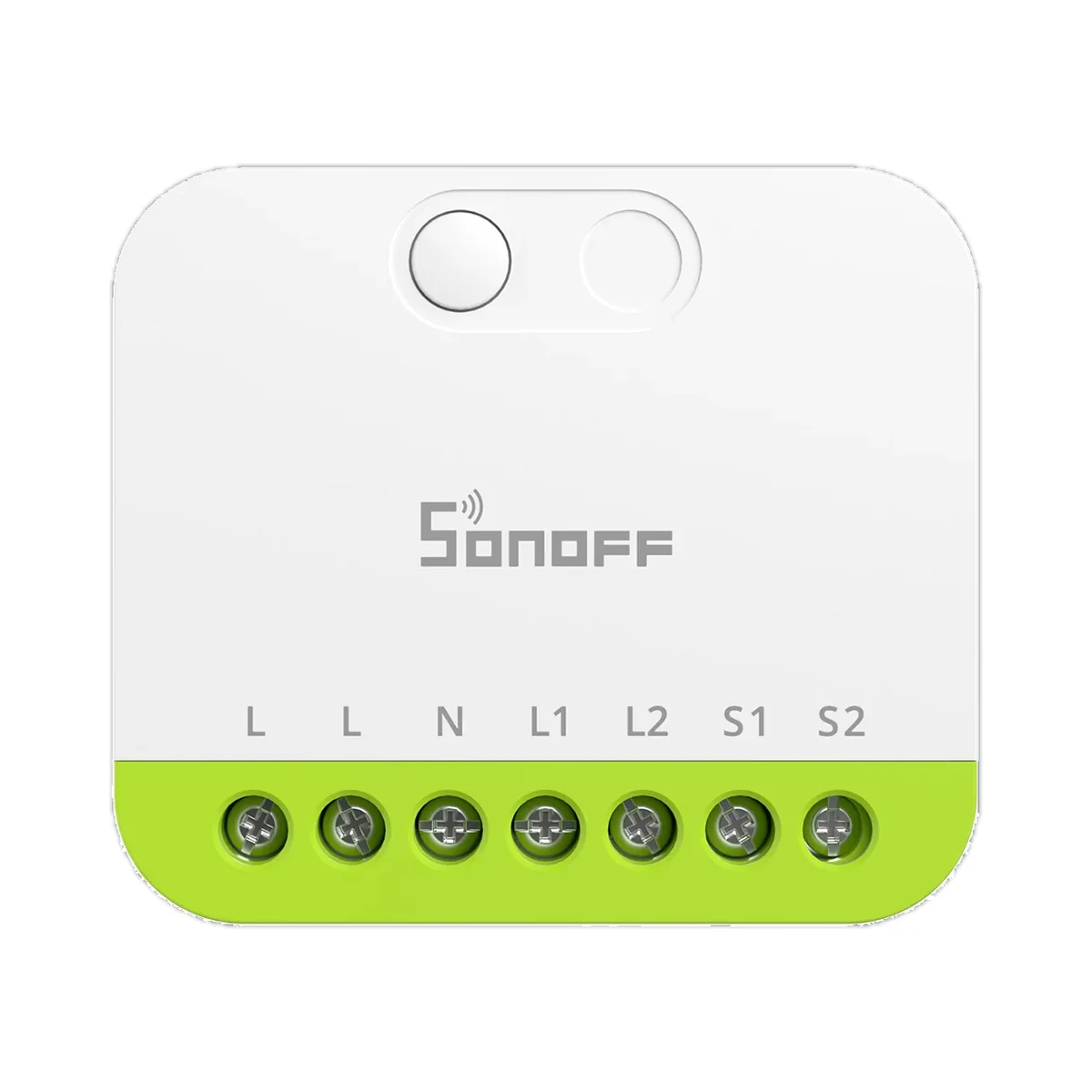
Suitable gateways and hubsA Zigbee 3.0 dry-contact relay (NO / COM / NC) for control circuits and DC loads up to 24 V DC 2 A; mains loads must not be connected to the output. Powered from 100–240 V AC or 12–48 V DC, needs a Zigbee gateway, 41 × 43 × 21.5 mm.
38 specifications from manufacturer documentsWe deliver across Moldova. Availability, delivery timing and cost are confirmed with a manager before order fulfilment.
The right choice starts with specifications
Document model: MINI-ZBD
Specifications checked against the linked manufacturer documents. Load limits, package details and measurement conditions are retained.Checked 18 October 2026
Connectivity — what it meansThe wireless link or network the device uses. Wi-Fi connects straight to the router; Zigbee, Thread and Bluetooth Mesh work through a hub or gateway. | ZigbeeZigbee 3.0 (IEEE 802.15.4); also acts as a Zigbee router (repeater) [1] |
|---|---|
Hub required — what it meansWhether the device needs a separate hub, gateway or coordinator to work in a smart home. If so, it is sold separately unless stated otherwise. | Hub (gateway) requiredA Zigbee gateway is required: SONOFF ZBBridge-P/-U, NSPanel Pro, iHost, SONOFF dongles or third-party Zigbee 3.0 hubs (Amazon Echo with Zigbee, SmartThings v3) [2] |
Matter support — what it meansWhether the device supports the Matter standard, directly or through a bridge. Matter lets you add it to Apple Home, Google Home, Alexa and Home Assistant. | Via the maker's bridge hubVia a SONOFF Matter bridge: ZBBridge-U, iHost or Cube OS with a SONOFF Zigbee dongle [2] |
Works without internet — what it meansWhether the device keeps working over the local network or through a hub when the internet is down. Cloud features (remote access, voice assistants) need the internet. | YesZigbee commands are handled by the local gateway or coordinator; the maker states local control via Home Assistant (e.g. direct binding with the SNZB-01M button). Cloud eWeLink features (voice assistants) need internet [2] |
Home Assistant — what it meansHow the device connects to Home Assistant: a built-in integration, a Zigbee coordinator, Matter or the maker’s cloud integration. | Via a Zigbee coordinator or hubVia ZHA or Zigbee2MQTT with a Zigbee coordinator (SONOFF Dongle Plus MG24, Dongle Lite MG21, Dongle Max, ZBDongle-P/-E) [3] |
App — what it meansThe maker’s app used to set up and control the device. | eWeLink [1] |
Processor / radio chip — what it meansThe microcontroller or radio module inside, per the maker (for example ESP32). For firmware such as WLED and ESPHome it determines available features and whether the device can be re-flashed. | Silicon Labs EFR32MG21Documents state “EFR32MG21” [1] |
| Radio frequencies and transmit power | Zigbee 2405–2480 MHz [1] |
Transmit power — what it meansThe coordinator's maximum radio output. Higher power gives a steadier link to distant devices, but range in a home depends more on walls and the number of routers in the network. | 10 dBmUp to 10 dBm (EU) [1] |
Channels (relays) — what it meansHow many independent loads the module switches: 1 — one light circuit or appliance, 2 — two circuits (e.g. chandelier and accent lights), 4 — a panel unit for several circuits. | 1One relay output with NO / COM / NC contacts [1] |
|---|---|
Wired wall switch input — what it meansWhether you can keep an ordinary wall switch or push button and wire it to the module, so the light works from both the switch and the app. Shows which switch types are supported; on dimmers a momentary button usually also adjusts brightness when held. | Rocker switch (latching), momentary push buttonS1/S2 inputs. Default is rocker; switch to momentary by pressing the module button three times. In eWeLink the external trigger modes are pulse, edge and following [1] |
Energy metering — what it meansWhether the switch shows in the app how much the connected appliance uses: live power and accumulated kWh. | NoEnergy metering is not among the model's specifications or features [2] |
Detached key mode (scene button) — what it meansThe switch wired to the module can be decoupled from the relay: the load stays powered and a press runs a scene. Needed when the circuit has smart bulbs. | YesDetach Relay in eWeLink: the external switch is decoupled from the relay and becomes a scene trigger. Supported with SONOFF gateways, ZHA and Zigbee2MQTT; not with Amazon Echo [3] |
Special relay modes — what it meansModes beyond on/off. Pulse: the relay switches itself off after a set time (bell, lock, gate). Interlock stops two channels being on at once. Motor mode drives curtains or a gate: up, down, stop. | Pulse / auto-off timer (inching)Inching: auto-off or auto-on after 0.5 s – 23 h 59 min 59.5 s (eWeLink and Zigbee2MQTT; not in ZHA or with Amazon Echo). Single channel, so no interlock [3] |
| Power-on state after outage | On / off / last state / reverse of last state; delay 0.5 s – 59 min 59.5 s (in eWeLink) [3] |
Neutral wire (N) — what it meansWhether the wall box needs a neutral wire. Older wiring often brings only the live wire to the switch; then pick a model that works without N. | RequiredOn mains power both L and N are needed. Instead of mains the module can be fed 12–48 V DC (DC+ / DC− terminals); AC and DC must not be connected at the same time [1] |
|---|---|
Mounting — what it meansHow and where it is installed: in a wall box, on a wall or ceiling, on a DIN rail, on a table or in a socket. | In a wall boxInstalls in a mounting box; 41 × 43 × 21.5 mm [1] |
Dimensions (W × H × D) — what it meansThe device’s size in millimetres as the maker states it. Check that it fits the wall box, niche or shelf. | 41 × 43 × 21.5 mm [1] |
Weight — what it meansThe device’s weight without packaging, per the maker. | 34.5 g [2] |
| Recommended wire gauge | 18–14 AWG (0.75–1.5 mm²) [1] |
| Housing material | Polycarbonate (PC) [1] |
Certifications — what it meansStandards and certifications the maker lists for this model (for example CE, RoHS, Zigbee 3.0, Matter). | CE, FCC, RoHS [1] |
| Disconnection type | Type 1.B [3] |
Max current per channel — what it meansHighest current through one relay with a resistive load. 10 A at 230 V is about 2,300 W of heater or incandescent lamps; for LEDs and motors the permitted load is lower. | 2 A24 V ⎓ 2 A resistive; for 12/24 V ⎓ motors and valves up to 8 W. The output is for dry-contact and DC loads only — AC loads must not be connected; a 3 A overcurrent protection device is mandatory in the output circuit [2] |
|---|---|
Dry contact (volt-free output) — what it meansThe relay only opens or closes its contacts without putting voltage on them. This is how boilers, gates, barriers and other devices with a control input are connected. | YesVolt-free NO / COM / NC output (normally open and normally closed) [1] |
Max total current — what it meansCurrent the device handles across all channels at once. On multi-channel models the total is often lower than per-channel current × number of channels. | 2 ASingle output: 24 V ⎓ 2 A resistive [2] |
Module power supply — what it meansWhere the device gets its power: 230 V mains, an adapter, USB, batteries or a built-in battery. | AC mains, Low-voltage DCEither 100–240 V~ mains or 12–48 V ⎓; not both at once [1] |
Supply voltage — what it meansThe supply voltage (and current, if stated) as the maker gives it. It must match your mains or adapter. | 100–240 V~, 50/60 Hz (0.1 A max) or 12–48 V ⎓ (1 A max)The site's description text says “110–240V AC”; the spec table and manual say 100–240 V~ [1] |
| DC load | 24 V ⎓ 2 A (resistive) or 12/24 V ⎓ 8 W (motors, solenoid valves) [1] |
| Relay life | 20 00020,000 automatic action cycles [1] |
| Rated impulse voltage | 4000 V4 kV [3] |
| Output circuit protection | A 3 A overcurrent protection device is required in the output circuit [1] |
Colour — what it meansThe housing colour of this model. Other colours in the same series are separate products. | White [1] |
|---|
Operating temperature — what it meansThe air temperature range the device is rated for. The lower limit matters outdoors, on balconies and in unheated rooms. | −10…40 °C [1] |
|---|---|
Operating humidity — what it meansThe rated relative humidity range, non-condensing. | 5–95%Non-condensing [1] |
| Operating altitude | 2000Below 2000 m [1] |
| Pollution degree | II [3] |
Manufacturer warranty — what it meansThe warranty period the maker states. Confirm warranty terms in Moldova with the seller. | 24 months“2-Year Hassle-Free Warranty” in the official SONOFF store [2] |
|---|
The table shows the primary document’s value. Below is what other manufacturer documents state; we check the supplied version’s label before sale.
We deliver across Moldova. Availability, delivery timing and cost are confirmed with a manager before order fulfilment.
A website order is submitted for confirmation without charging your card. The payment method and final amount are agreed with a manager before payment.
The warranty is at least 12 months. The exact period and conditions for equipment and installation work are stated in the sales documents and the accepted proposal. Further support is agreed for each project.
Current conditions are published on the Return policy page. Email office@casasmart.md with your order number for the steps relevant to your situation. Statutory consumer rights continue to apply.
In your home
With your hands full or on a nighttime trip down the hall, finding a switch is awkward. Routines light the way and turn off forgotten lights.
See the complete solution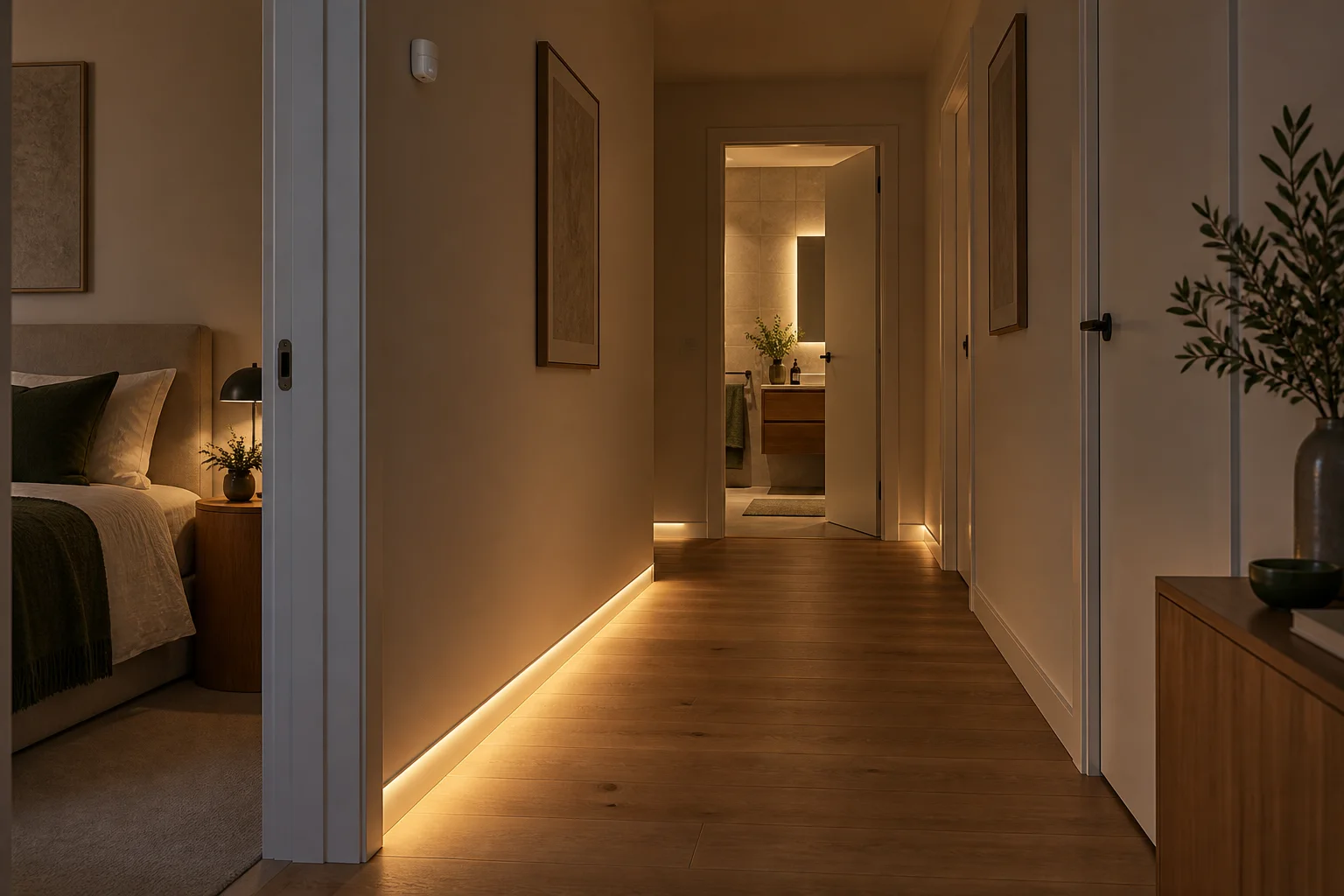
CasaSmart
A compatible hub is required.
Smart hubs & gateways
Smart hubs & gateways
Smart hubs & gateways
Network coordinators
Relays & in-wall modules
Relays & in-wall modules
Relays & in-wall modules
Relays & in-wall modules
Buy just a device, add installation, or hand the whole project over to us.