Connectivity ? — what it meansThe wireless link or network the device uses. Wi-Fi connects straight to the router; Zigbee, Thread and Bluetooth Mesh work through a hub or gateway. | Zigbee, Thread One EFR32MG24 radio: it runs either Zigbee 3.0 or Thread, selected by firmware in the web console. Wi-Fi is only used for the link to the server [1] |
|---|
Number of radios ? — what it meansHow many independent radio chips are inside. With two, Zigbee and Thread run at the same time, each on its own channel; with one, the protocol is chosen by firmware. | 1 The device-network radio is the EFR32MG24. The second chip, an ESP32, only handles Wi-Fi and Ethernet for the server link. Running Zigbee and Thread at once on one chip (MultiPAN) is listed as beta [2] |
|---|
Radio chips ? — what it meansThe radio chip model (both chips on dual-radio models). It determines the available firmware, support in Zigbee2MQTT and ZHA, Thread capability and memory headroom for large networks. Texas Instruments (CC) and Silicon Labs (EFR32) chips use different firmware and update methods. | Silicon Labs EFR32MG24 EFR32MG24A420F1536IM48 (1536 KB flash, 256 KB RAM). Wi-Fi/Ethernet bridge: ESP32-D0WDR2-V3; USB-UART converter: CP2102(N) [2] |
|---|
Connection to the server ? — what it meansHow the coordinator talks to Home Assistant or another server. With Ethernet and PoE it can sit in the middle of the house, far from the server; Wi-Fi needs no cable but depends on wireless quality; USB plugs straight into the server. | Ethernet, PoE (power and data on one cable), Wi-Fi, USB Over Ethernet and Wi-Fi the coordinator connects to ZHA or Zigbee2MQTT via TCP; if both are connected, Ethernet takes priority. Wi-Fi is 2.4 GHz only [3] |
|---|
Compatible software ? — what it meansWhich smart-home software the coordinator works with according to the maker's documentation: ZHA and Zigbee2MQTT for Zigbee, OpenThread Border Router for Thread, Z-Wave JS for Z-Wave. The coordinator only works together with such software on a server or mini PC. | Home Assistant ZHA, Zigbee2MQTT, OpenThread Border Router, openHAB, ioBroker Home Assistant, Zigbee2MQTT, openHAB and ioBroker are listed in the maker's comparison chart; official guides exist for ZHA, Zigbee2MQTT and the OpenThread Border Router in Home Assistant. Also works with eWeLink CUBE. Domoticz and Jeedom appear in the FAQ only as links to device compatibility lists [4] |
|---|
Transmit power ? — what it meansThe coordinator's maximum radio output. Higher power gives a steadier link to distant devices, but range in a home depends more on walls and the number of routers in the network. | |
|---|
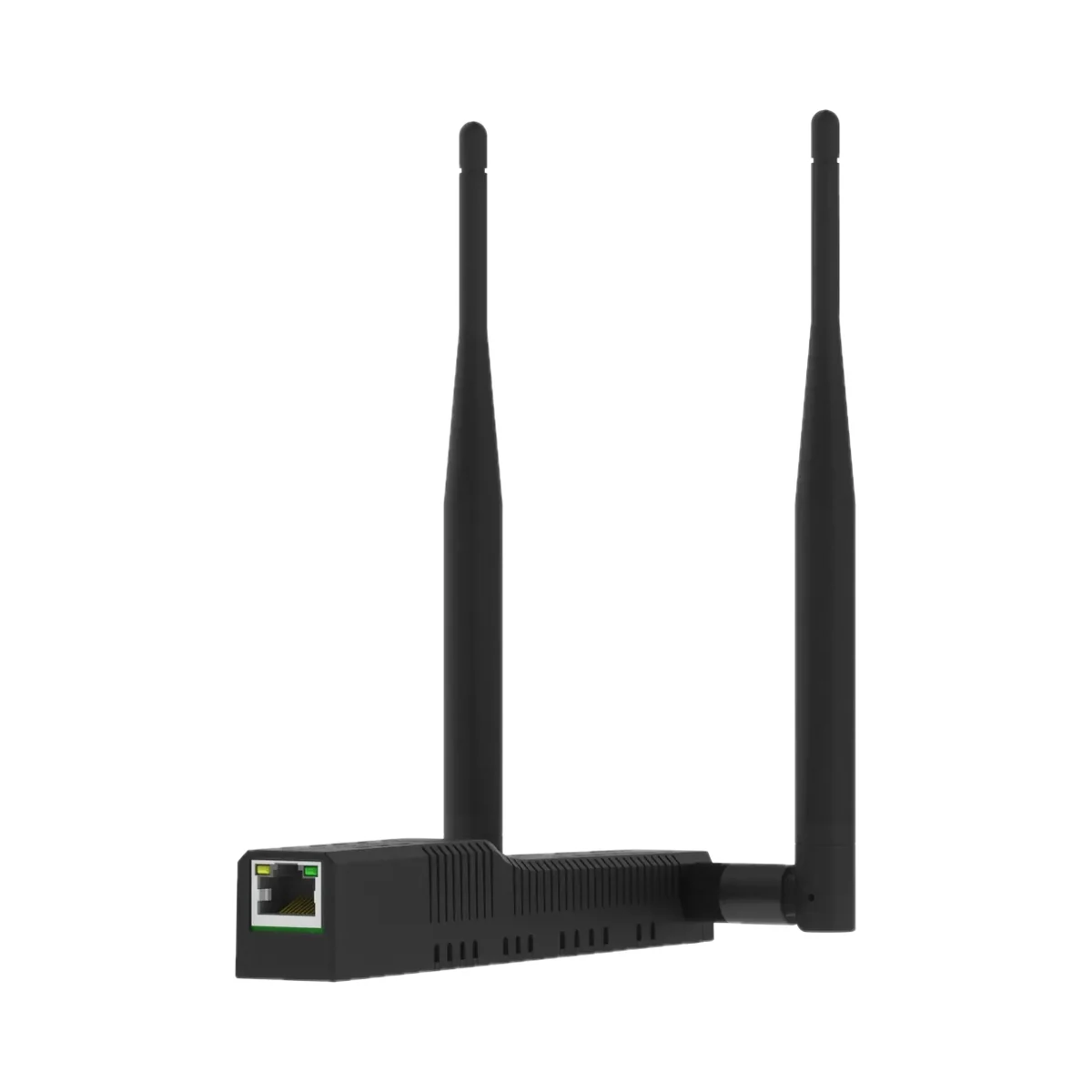
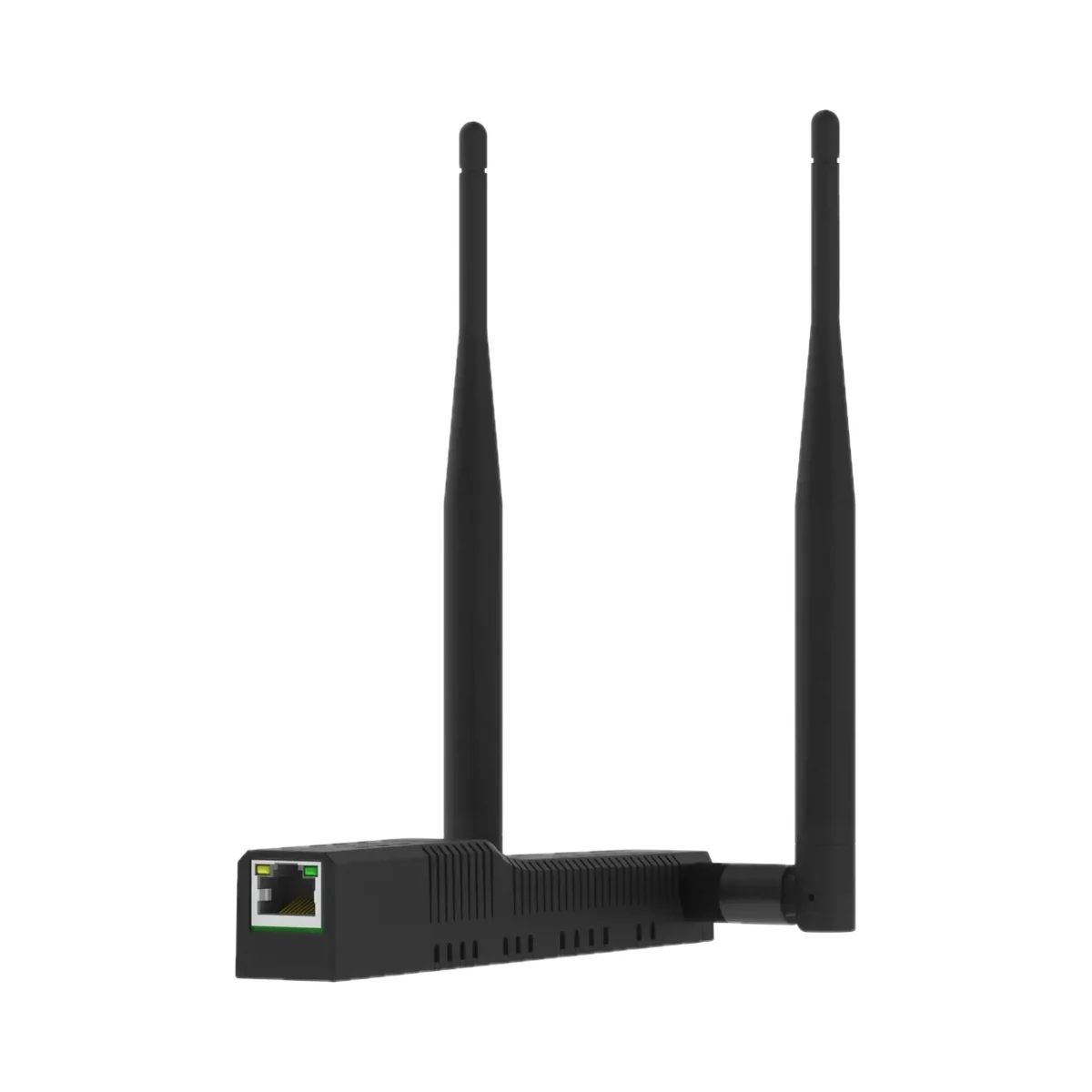
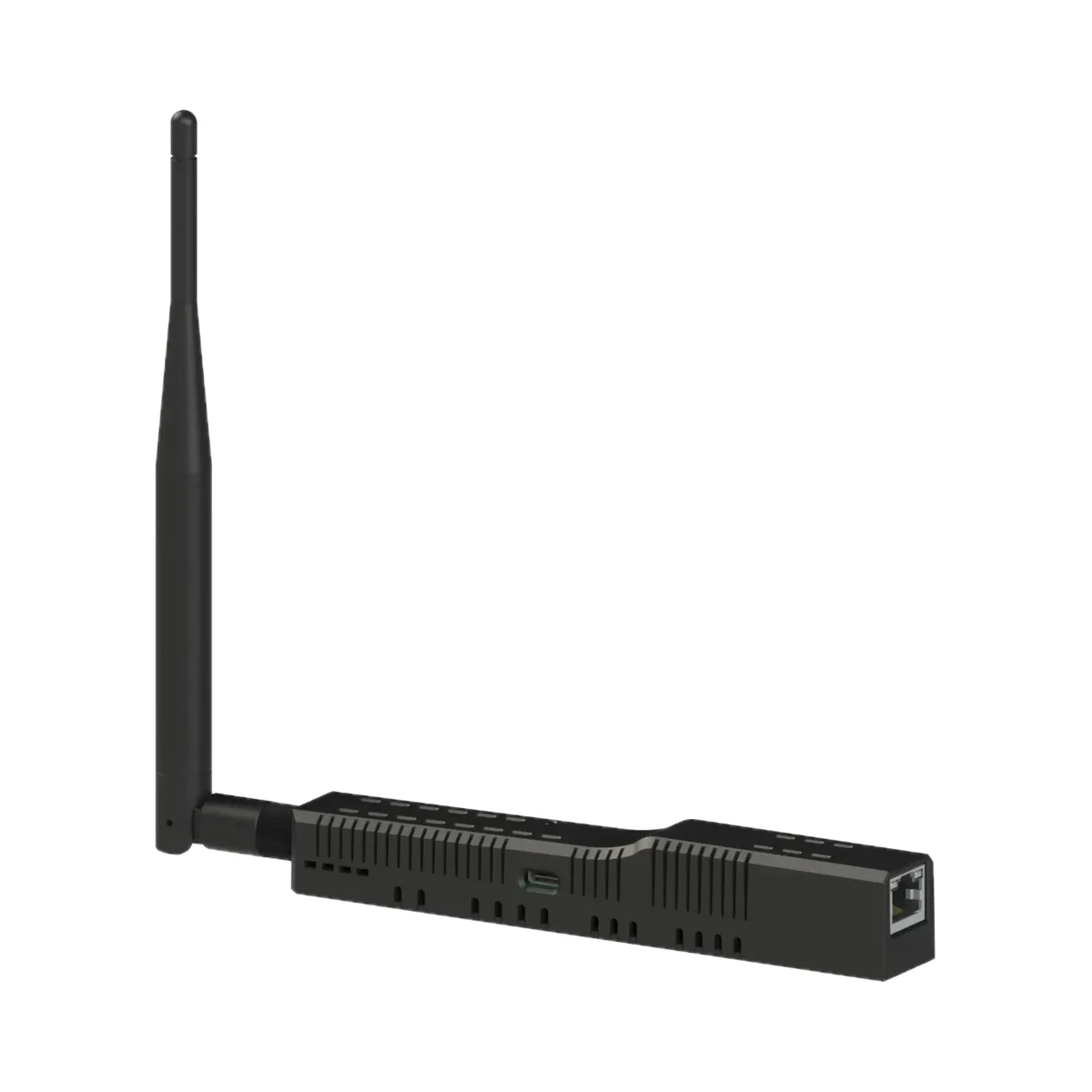
Antenna ? — what it meansAn external detachable antenna can be turned or replaced with another; an internal one sits inside the housing. The antenna gain (dBi) is in the note. | External, detachable Two external adjustable 5 dBi antennas; the user screws them onto the ends of the housing (included) [5] |
|---|
Home Assistant ? — what it meansHow the device connects to Home Assistant: a built-in integration, a Zigbee coordinator, Matter or the maker’s cloud integration. | Native integration Through the built-in ZHA integration (USB or TCP, with auto-discovery); also through Zigbee2MQTT and, in Thread mode, through the OpenThread Border Router. The dongle's own status can be shown in Home Assistant via MQTT [6] |
|---|
Max connected devices ? — what it meansHow many devices can run on this coordinator's network according to the manufacturer. If the figure is for direct connections and the network grows through routers, this is noted. | Not stated by the manufacturer |
|---|
Wireless range ? — what it meansThe stated radio range, usually in open space. Walls and floors cut it noticeably. | 200 m In open space, with direct line of sight [2] |
|---|
| Wi-Fi | IEEE 802.11 b/g/n, 2.4 GHz [1] |
|---|
| Ethernet port | RJ45 Port speed is not stated [1] |
|---|
| Ports and slots | |
|---|
Processor / radio chip ? — what it meansThe microcontroller or radio module inside, per the maker (for example ESP32). For firmware such as WLED and ESPHome it determines available features and whether the device can be re-flashed. | EFR32MG24A420F1536IM48 (Zigbee/Thread) + ESP32-D0WDR2-V3 (Wi-Fi/Ethernet); USB-UART: CP2102(N) [2] |
|---|
| Radio chip memory | 1536 KB flash, 256 KB RAM [9] |
|---|
| Radio frequencies and transmit power | 2.4 GHz (IEEE 802.15.4) Zigbee channels 11–26 (2405–2480 MHz) [2] |
|---|
| Output power (EU documents) | Wi-Fi ≤ 20 dBm, Zigbee ≤ 10 dBm [10] |
|---|
Number of antennas ? — what it meansHow many antennas the device has; whether they are external or built-in and how they are split between bands is in the note. The antenna count alone is not the same as coverage, which also depends on transmitter power, walls and placement. | |
|---|
| Supported operating systems | Windows, Ubuntu, Raspberry Pi OS, Docker [2] |
|---|